
Morithil reviewed La main gauche de la nuit by Ursula K. Le Guin
None
5 stars
Mon premier d'Ursula le guin et certainement pas mon dernier
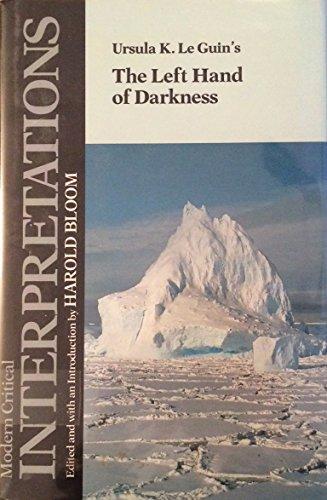
The Left Hand of Darkness is a science fiction novel by U.S. writer Ursula K. Le Guin. Published in 1969, it became immensely popular, and established Le Guin's status as a major author of science fiction. The novel is set in the fictional Hainish universe as part of the Hainish Cycle, a series of novels and short stories by Le Guin, which she introduced in the 1964 short story "The Dowry of Angyar". It was fourth in sequence of writing among the Hainish novels, preceded by City of Illusions, and followed by The Word for World Is Forest.The novel follows the story of Genly Ai, a human native of Terra, who is sent to the planet of Gethen as an envoy of the Ekumen, a loose confederation of planets. Ai's mission is to persuade the nations of Gethen to join the Ekumen, but he is stymied by a lack of …
The Left Hand of Darkness is a science fiction novel by U.S. writer Ursula K. Le Guin. Published in 1969, it became immensely popular, and established Le Guin's status as a major author of science fiction. The novel is set in the fictional Hainish universe as part of the Hainish Cycle, a series of novels and short stories by Le Guin, which she introduced in the 1964 short story "The Dowry of Angyar". It was fourth in sequence of writing among the Hainish novels, preceded by City of Illusions, and followed by The Word for World Is Forest.The novel follows the story of Genly Ai, a human native of Terra, who is sent to the planet of Gethen as an envoy of the Ekumen, a loose confederation of planets. Ai's mission is to persuade the nations of Gethen to join the Ekumen, but he is stymied by a lack of understanding of their culture. Individuals on Gethen are ambisexual, with no fixed sex; this has a strong influence on the culture of the planet, and creates a barrier of understanding for Ai. The Left Hand of Darkness was among the first books in the genre now known as feminist science fiction and is the most famous examination of androgyny in science fiction. A major theme of the novel is the effect of sex and gender on culture and society, explored in particular through the relationship between Ai and Estraven, a Gethenian politician who trusts and helps Ai. When the book was first published, the gender theme touched off a feminist debate over the depiction of the ambisexual Gethenians. The novel also explores the interaction between the unfolding loyalties of its two main characters, the loneliness and rootlessness of Ai, and the contrast between the religions of Gethen's two major nations. The Left Hand of Darkness has been reprinted more than 30 times, and received high praise from reviewers. In 1970 it was voted the Hugo and Nebula Awards for Best Novel by fans and writers, respectively, and was ranked as the third best novel, behind Frank Herbert's Dune and Arthur C. Clarke's Childhood's End, in a 1975 poll in Locus magazine. In 1987, Locus ranked it second among science fiction novels, after Dune, and literary critic Harold Bloom wrote, "Le Guin, more than Tolkien, has raised fantasy into high literature, for our time".
Mon premier d'Ursula le guin et certainement pas mon dernier
this is the first le guin I've finished. damn!! it's good!!
El títol és una conya perquè la novel·la transcorre en el planeta Hivern, que té temperatures significativament més baixes que les de la Terra.
I Le Guin posa força llenya a l'estufa (prometo parar!): no només hi ha la construcció de com seria la vida en un món així de fred amb una biosfera particular, i on la humanitat va arribar fa milers d'anys des de l'espai en condicions gens clares. El nivell tecnològic seria com és ara l’actual, adaptat al planeta.
Un altre gran tema és que lis habitants d’aquest planeta passen la major part del temps en un estat andrògin, des del que poden manifestar qualsevol dels dos sexes biològics quan entren en zel. Al principi em preocupava trobar-me amb essencialismes de gènere, però en tot cas són el punt de vista incomplert d’un dels protagonistes, que anirà canviant. I com afecta la particularitat biològica de la població …
El títol és una conya perquè la novel·la transcorre en el planeta Hivern, que té temperatures significativament més baixes que les de la Terra.
I Le Guin posa força llenya a l'estufa (prometo parar!): no només hi ha la construcció de com seria la vida en un món així de fred amb una biosfera particular, i on la humanitat va arribar fa milers d'anys des de l'espai en condicions gens clares. El nivell tecnològic seria com és ara l’actual, adaptat al planeta.
Un altre gran tema és que lis habitants d’aquest planeta passen la major part del temps en un estat andrògin, des del que poden manifestar qualsevol dels dos sexes biològics quan entren en zel. Al principi em preocupava trobar-me amb essencialismes de gènere, però en tot cas són el punt de vista incomplert d’un dels protagonistes, que anirà canviant. I com afecta la particularitat biològica de la població d’Hivern a la història? Doncs al meu parer de manera molt natural l’allibera de divisions de gènere. En tot cas permet que ens plantegem com moltes de les coses que atribuïm a diferències de gènere són adquirides socialment.
L’altre gran punt, que pesa bastant, és la crítica social i política, i de fet vaig estar a punt de compartir-ne un parell de cites fent duríssima crítica al patriotisme. Es detallen dos països; l’un és una mena de monarquia disfuncional: el llibre mostra com els horrors vénen des d’aquest grup polític priviliegiat que governa sobre un poble que culturalment practica el suport mutu. Kropotkin ens diria que per necessitat, donades les difícils condicions del planeta. No n’escatima la crítica, esclar: és admirable com Le Guin elabora les seves societats incorporant-hi sempre la foscor, seguint línies taoistes que tant li agraden i que van apareixent en el llibre.
Però si un dels països és un garbuix, l’altre és una clara referència a una dictadura socialista. I com ja passava en «els Desposseïts», la crítica és brutal. I és que realment quin tipus de persona voldria viure en una distopia de control social i submissió política?
El recomano molt: tot el que he explicat queda barrejat en les aventures del primer enviat que arriba a Hivern des d’un altre planeta, de forma molt entretinguda... I és difícil no trobar-hi idees en les que aprofundir!
I stopped reading it.